
Ant Control · Coeur d'Alene & North Idaho
Ant control in Coeur d'Alene
A trail of ants on the counter is the part you can see — the colony you can't is the real problem. We treat the nest, not just the line, and protect the spots they keep coming back to.
- Colony-level control
- Carpenter ant experts
- All-Natural options
- Free quotes
North Idaho's most persistent indoor pest
Ants are relentless — and our region's damp springs and forested lots make Coeur d'Alene a hotspot, especially for carpenter ants. The trail on your counter leads back to a colony that can number in the thousands. Best Pest treats the nest at the source so the trails actually stop, instead of returning a week later.
Wooded and lakeside lots around CDA, Hayden Lake, and Rathdrum see heavy carpenter-ant pressure — they love the moist, shaded wood of decks, fences, firewood, and tree stumps before moving toward the house.
The ants we treat
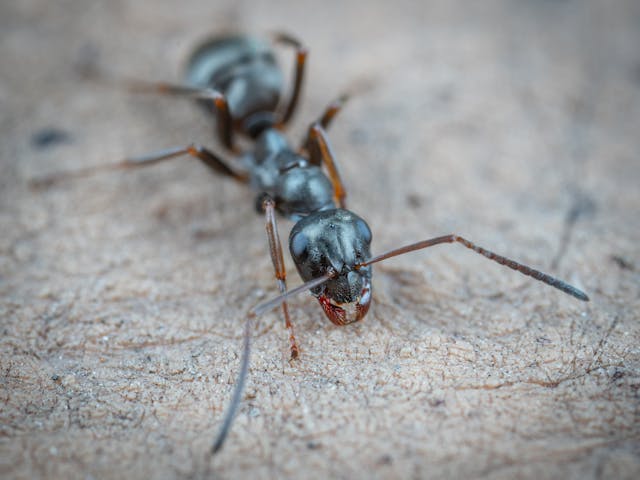
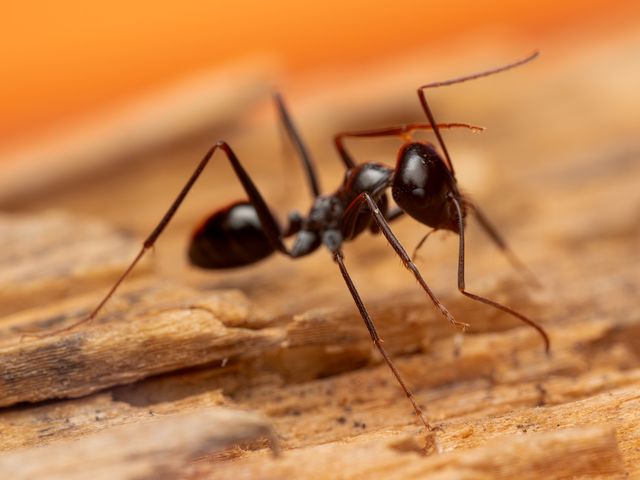
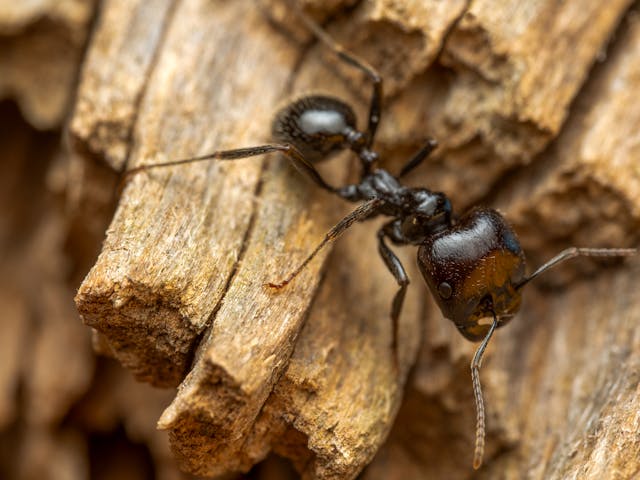
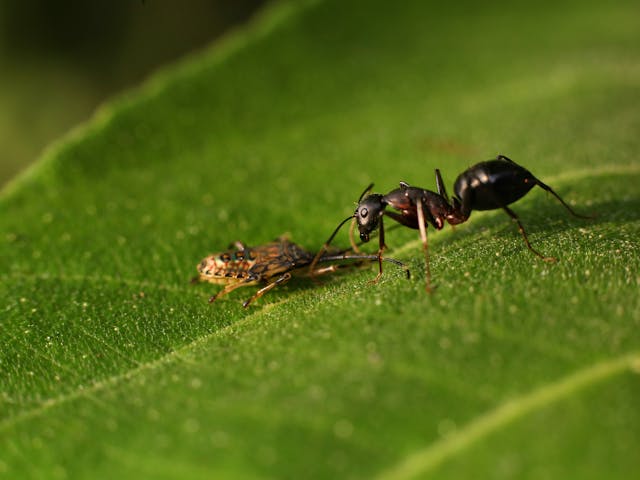
Why colony treatment beats spraying
The ants you see are foragers — a tiny fraction of the colony. Killing them does nothing to the queen. We use baits and targeted treatments the workers carry home, plus an exterior barrier and attention to the moisture and entry points drawing them in. That's what ends the cycle.
Ant activity through the year
| Season | Activity | What's happening in North Idaho |
|---|---|---|
| Spring (Mar–May) | Peak | Colonies wake up hungry and foraging surges; carpenter-ant swarmers may appear indoors. |
| Summer (Jun–Aug) | Active | Trails are at full strength as colonies grow and search for food and water. |
| Fall (Sep–Oct) | Slowing | Foraging tapers as it cools; ants seek shelter, sometimes moving nests toward structures. |
| Winter (Nov–Feb) | Dormant | Most colonies are inactive, but indoor nests (especially carpenter ants in warm walls) can stay busy. |
Our ant control process
Inspect & identify
We identify the species and follow the trails to locate nests and the moisture or food sources fueling them.
Treat the colony
We apply targeted baits and treatments the workers carry back to the nest, eliminating the queen and colony — not just the foragers.
Barrier & exclusion
We treat the exterior perimeter and entry points and point out the gaps and moisture issues inviting them in.
Protect
Because new colonies move in seasonally, we recommend recurring visits to keep trails from returning — backed by our satisfaction guarantee.
What to expect
Ant trails are a symptom — the colony is the target. Here's how we get to it.
Your inspection
We follow trails to find entry points and, where possible, the nest, and identify the species — it matters, because carpenter ants are treated very differently from odorous house ants. You'll get a clear plan and price first.
Treatment & timeline
Treatment is usually one visit of 30–45 minutes. With baiting, the workers carry it back to the colony, so you may see ants for a week or two — that's the bait working — before numbers fall off sharply.
Safety notes
We place baits and apply products in cracks, voids, and along exterior runways, out of reach of kids and pets. All-natural, low-impact options are available for sensitive homes.
Follow-up & support
We'll tell you what's normal as the colony collapses and check back in. Trails return? Call or text — your service is backed by our satisfaction guarantee.
Keeping them gone
North Idaho yards are full of ant colonies that send scouts toward your kitchen all season. A recurring exterior barrier keeps new colonies from moving in, especially in spring and after wet spells.
Ant control FAQs
Why does spraying the ants I see make it worse?
Many over-the-counter sprays only kill foragers and can cause some colonies to 'bud' — splitting into multiple new nests. We use targeted baits and treatments that the ants carry back to the colony, taking out the queen and the nest at the source.
Do I have carpenter ants?
Carpenter ants are large (often black) and most active in spring and at dusk. Telltale signs include piles of sawdust-like 'frass,' faint rustling in walls, and winged swarmers indoors. They don't eat wood like termites, but they tunnel through damp or damaged wood to nest — worth treating promptly. We see them often in North Idaho.
What are the tiny ants in my kitchen?
Most likely odorous house ants (they smell faintly of coconut when crushed) or pavement ants. They're after moisture and sweets. We trace the trails to the nest and treat it, then help you close off the attractants.
Are ant treatments safe for kids and pets?
Yes. We place baits and apply products in a targeted way, away from where kids and pets spend time, and we offer all-natural, low-impact options. See our natural pest control page.
How long does it take to get rid of ants?
Foraging trails usually thin out within days as the bait moves through the colony, with full control over a couple of weeks. Because new colonies move in from the yard each season, many homeowners stay ahead with recurring visits.
Done sharing your kitchen with ants?
We treat the colony, not just the trail. Free quote — call or text (208) 405-0004.