
Wasp & Hornet Removal · Coeur d'Alene
Wasp & hornet nest removal in Coeur d'Alene
A nest by the front door or under the eaves turns your own yard into a no-go zone — and stings are no joke for kids, pets, and anyone allergic. We remove nests safely and stop them from rebuilding.
- Same-day often available
- Safe nest removal
- Eaves, soffits & ground nests
- Free quotes
Wasp season hits hard in North Idaho
Our warm, dry summers are perfect for paper wasps, yellow jackets, and bald-faced hornets — and by August a small spring nest can hold hundreds of workers. Best Pest removes nests from eaves, soffits, sheds, decks, trees, and the ground, then treats the favorite spots so they don't simply rebuild.
Decks and docks along Lake Coeur d'Alene and Hayden Lake, shaded eaves on older CDA homes, and the open, sunny lots around Post Falls and Rathdrum are classic nest sites — exactly the places families gather in summer.
Nests aren't always where you'd expect
Some nests hang in plain sight; others stay hidden underground until someone gets too close. Knowing where they build — and what's building them — is half the fight.
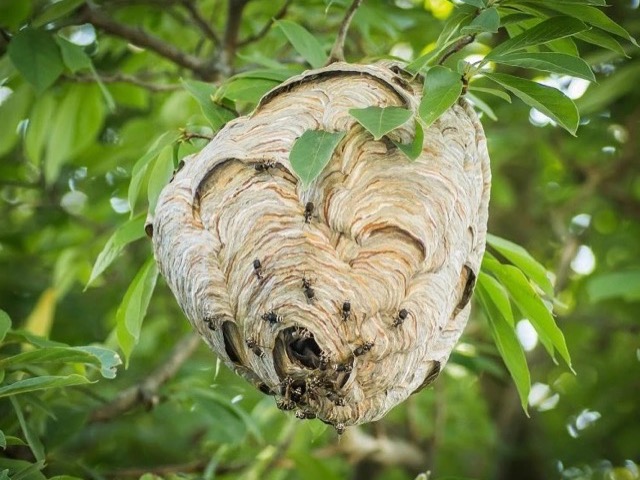
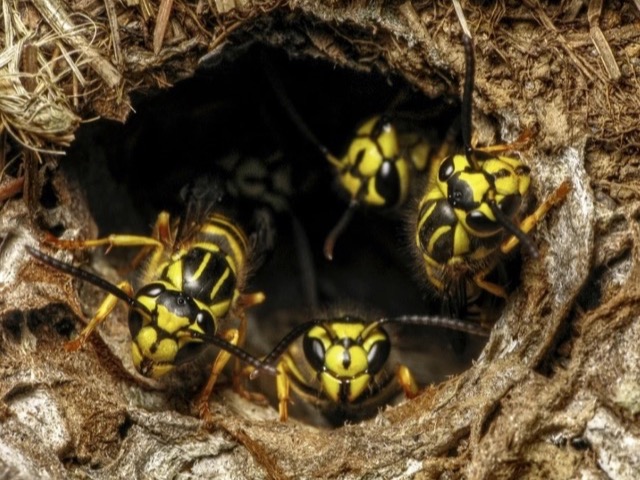
What we remove
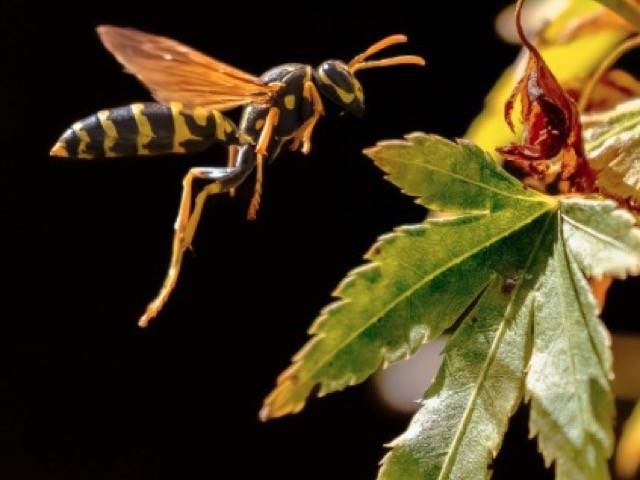
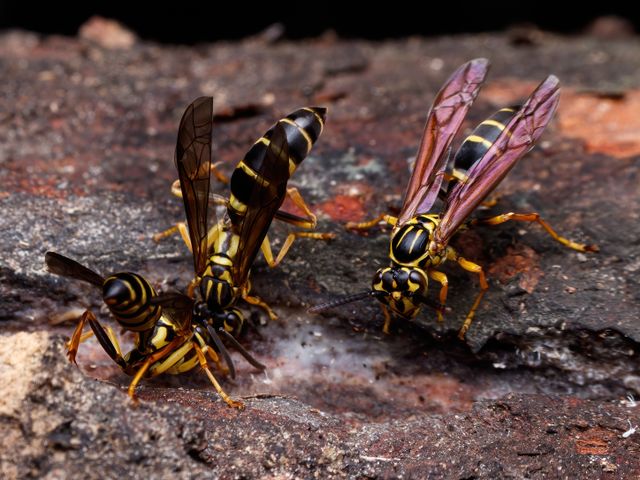
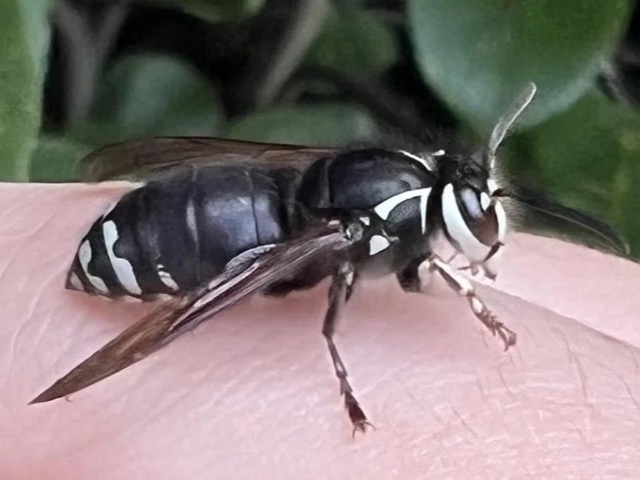
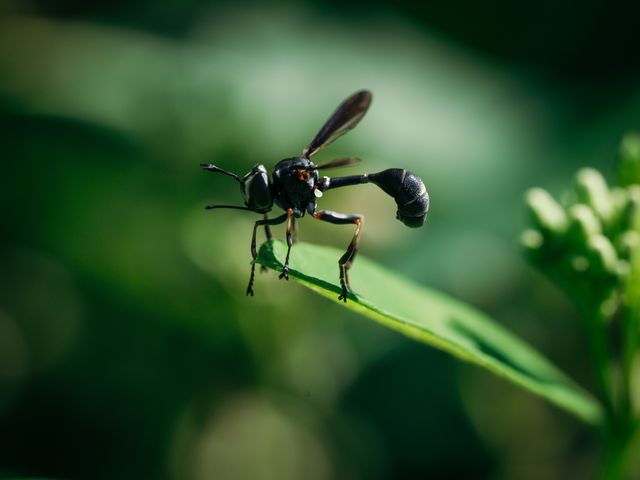
Why DIY backfires
Hardware-store sprays often reach only the outside of a nest, leaving an angry colony that comes back out swinging. Ground yellow-jacket nests can have hidden entrances, and knocking down a hornet nest by hand is a fast way to a trip to urgent care. We treat the colony at the source, in the right gear, so it's done once.
Wasp activity through the year
| Season | Activity | What's happening in North Idaho |
|---|---|---|
| Spring (Apr–May) | Founding | Lone overwintered queens start small nests. The easiest, safest time to knock them out. |
| Summer (Jun–Jul) | Growing | Colonies expand quickly; nests become noticeable around eaves, decks, and yards. |
| Late summer (Aug–Sep) | Peak | Colonies are largest and most defensive; yellow jackets turn aggressive around food and drinks. |
| Fall (Oct+) | Dying off | Colonies collapse with the cold, but new queens overwinter to start the cycle again next spring. |
Our wasp & hornet removal process
Locate
We find the nest (or nests) and identify the species, including hidden ground and wall-void colonies that aren't obvious from the yard.
Treat the colony
We treat the nest directly at its entry points in proper protective gear, eliminating workers and the queen — not just the wasps you can see.
Remove & clean up
Once the colony is down, we remove accessible nests so they can't be reoccupied and to keep things tidy.
Prevent rebuilding
We can treat the eaves, soffits, and sheltered spots wasps favor to discourage new queens from setting up next season.
What to expect
Stinging-insect calls are often urgent — here's what a wasp or hornet visit looks like.
Your inspection
We locate the active nest (often there's more than one) and identify the species, checking eaves, soffits, decks, playsets, shrubs, and the ground for hidden underground nests. You'll get a clear price before we treat.
Treatment & timeline
Most nest treatments are done in a single visit of under an hour. Activity drops within hours, and a nest is usually quiet within 24–48 hours — after which it can be safely knocked down.
Safety notes
Wasp and hornet removal carries a real sting risk, so please keep kids and pets indoors and away from the area until we're done and the nest is quiet. We apply treatments precisely and tell you when the area is clear.
Follow-up & support
We'll explain what to expect as the nest dies off, and we're a call or text away if activity flares back up — all backed by our satisfaction guarantee.
Keeping them gone
Wasps rebuild in the same favorable spots year after year. A recurring plan with spring and early-summer visits catches new nests while they're small, before they become a backyard hazard.
Wasp & hornet FAQs
Can you come out the same day?
Often, yes — active nests near doors, play areas, or anyone with an allergy are a priority, and we can frequently get to Coeur d'Alene-area homes the same or next day. Call or text (208) 405-0004 and we'll tell you the soonest we can be there.
Should I knock the nest down myself?
We don't recommend it. Disturbing a nest — especially yellow jackets or bald-faced hornets — can trigger a defensive swarm and dozens of stings. Spray cans often just anger the colony. Professional removal is faster and far safer.
What's the difference between wasps, hornets, and yellow jackets?
Paper wasps build open, umbrella-shaped nests under eaves; bald-faced hornets build large gray football-shaped nests in trees and on walls; yellow jackets often nest in the ground or wall voids and are the most aggressive, especially in late summer. We treat all of them.
Will they come back to the same spot?
Eaves, soffits, and sheltered corners are prime real estate, so new queens often try the same areas year after year. We can apply a preventive treatment to the spots they favor to discourage rebuilding.
Are wasp treatments safe around my family?
Yes. We apply products precisely at the nest and entry points and clean up the nest where practical, keeping treatment away from living and play areas. Ask about all-natural-minded options for sensitive households.
Got a nest? Don't wait it out
Nests only get bigger and more defensive. Call or text (208) 405-0004 — same-day service is often available.